
Retreatment Procedure
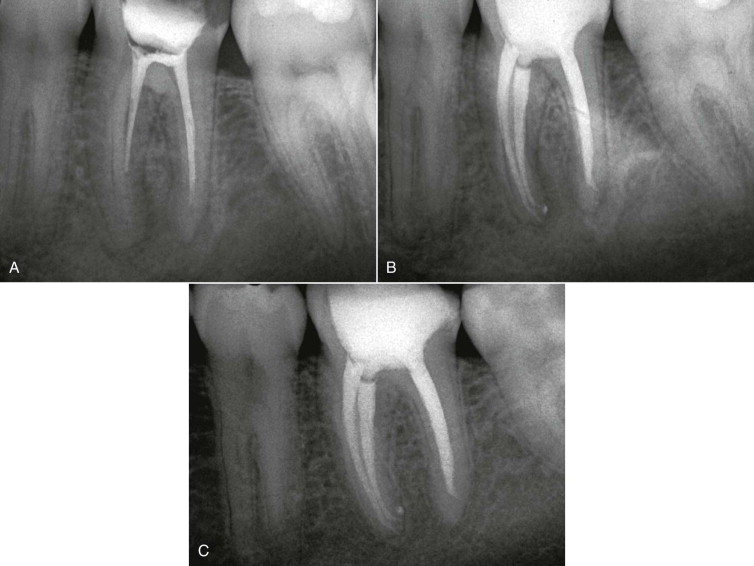
Retreatment Procedure
A Retreatment Procedure is performed when a tooth that has previously undergone root canal therapy does not heal properly or develops a new infection. The procedure involves reopening the tooth, removing old filling materials, thoroughly cleaning and reshaping the canals, addressing any missed or complex areas, and disinfecting the entire root canal system before sealing it again. This process gives the tooth a second opportunity to heal and function normally.
Retreatment may be needed when infection persists or returns after the initial procedure. Common causes include missed canals, incomplete cleaning, complex root anatomy, leaking or damaged restorations, deep decay, or delayed placement of a protective crown. Retreatment helps eliminate lingering bacteria, correct previous issues, prevent further complications, and preserve the natural tooth for long-term stability.
Why is Retreatment Required?
Retreatment is recommended when infection returns or persists after an initial root canal treatment.
This can occur due to missed canals, deep decay, leaking restorations, complex tooth anatomy, or delayed
crown placement. Identifying and correcting these issues is essential to prevent further complications.
Retreatment Procedure helps:
• Eliminate persistent or recurrent infection
• Remove old, inadequate, or incomplete root fillings
• Clean and treat missed or previously inaccessible canals
• Prevent tooth loss by restoring internal tooth health
• Reduce the risk of abscess, swelling, or spread of infection
Timely retreatment significantly increases the tooth’s chances of healing successfully and remaining
functional for many years.
- Comprehensive Canal Cleaning & Disinfection
- Accurate Removal of Previous Filling Material
- Treatment of Missed or Complex Root Anatomy
- Restores Tooth Health & Prevents Future Extraction

At EndoElite, our retreatment procedures are performed using advanced imaging, rotary endodontic systems, ultrasonic irrigation, and precision instruments. Our goal is to completely remove infection, restore the internal structure of the tooth, and ensure long-term comfort and function with the highest standard of care.
Frequently Asked Questions
Is Retreatment Procedure painful?
No. Retreatment is performed under local anesthesia, ensuring a comfortable and painless experience. Mild sensitivity afterward is temporary and resolves quickly with proper care.
When do I need a Retreatment Procedure?
You may need retreatment if you experience persistent pain, swelling, or if X-rays show infection around a previously treated tooth. New decay, faulty restorations, or missed canals are also common reasons for needing retreatment.
What is the success rate of Retreatment?
With modern endodontic advancements, retreatment has a high success rate. Proper post-treatment restoration, such as placing a crown, further enhances long-term results and protects the treated tooth.


