Periosurgery
Periosurgery (Periodontal Surgery)
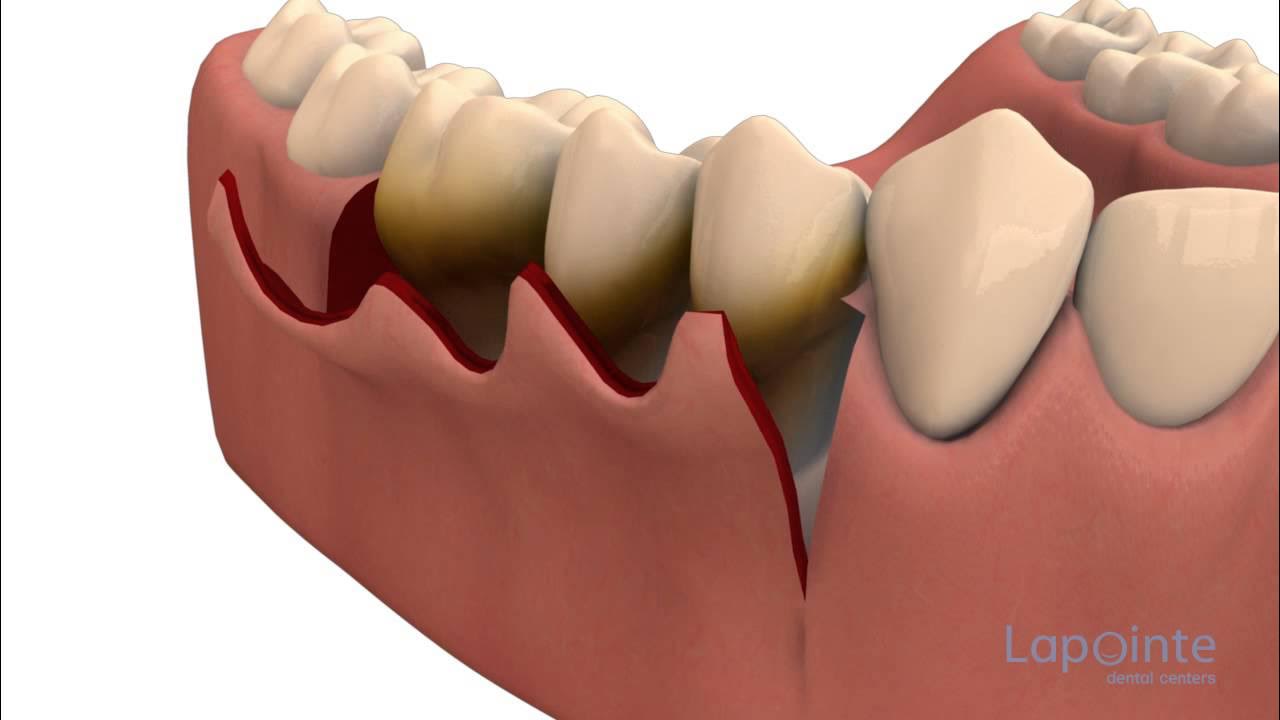
Periosurgery is a specialized dental procedure designed to treat advanced gum disease, restore
gum health, and protect the supporting bone around the teeth. At Dr. Ritika’s EndoElite Dental Clinic,
we employ advanced microsurgical techniques to ensure precision, faster healing, and long-term
periodontal stability.
Periosurgery involves carefully removing deep-seated infection, reshaping diseased gum tissue,
reducing periodontal pockets, and regenerating lost bone where needed. This procedure prevents further
damage caused by gum disease, enhances oral hygiene, and helps preserve your natural teeth for years to come.
Why is Periosurgery Needed?
Periosurgery is recommended when gum disease progresses beyond the stage where regular cleaning or
non-surgical treatments can help. Deep infection, persistent bleeding gums, bone loss, and gum recession
indicate the need for surgical intervention to stop further deterioration.
Periosurgery helps:
• Remove deep bacterial infection
• Reduce periodontal pocket depth
• Regenerate lost bone and gum tissue
• Prevent loosening and loss of teeth
• Improve long-term periodontal support and stability
Timely periodontal surgery not only restores gum health but also prevents complications such as tooth
mobility, bone destruction, and systemic health issues linked to chronic gum infection.
- Minimally Invasive Microsurgical Techniques
- Effective Treatment for Advanced Gum Disease
- Restores Bone & Gum Support Around Teeth
- Promotes Long-Term Oral Health & Stability
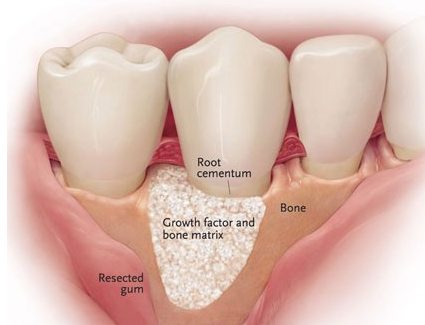
At EndoElite, our periodontal surgeries are performed using precision instruments, magnification systems, and advanced regenerative materials. We focus on eliminating infection, rebuilding lost tissue, and restoring a healthy foundation for your teeth to ensure long-term oral wellness.
Frequently Asked Questions
Is Periosurgery painful?
No. Periosurgery is performed under local anesthesia, ensuring complete comfort. Post-treatment discomfort is minimal and can be easily managed with prescribed medication.
How do I know if I need periodontal surgery?
You may require periosurgery if you have deep gum pockets, bone loss, loose teeth, persistent gum bleeding, or advanced gum infection. A clinical evaluation and periodontal assessment will confirm the need for surgery.
How long does recovery take after periosurgery?
Recovery typically takes **7–14 days**, depending on the type of procedure. Most patients return to normal activities within a day or two, with full healing progressing gradually over the following weeks.


